Roasted Fresh to Order
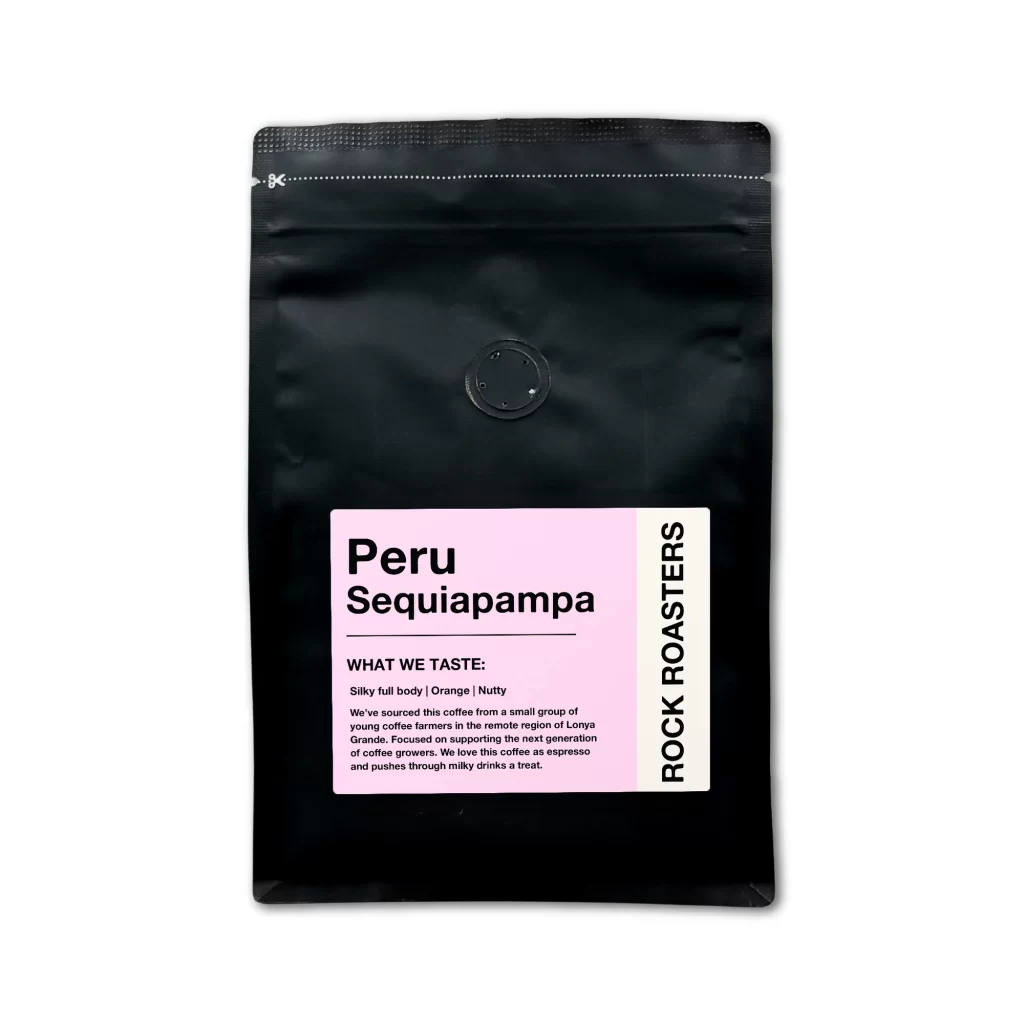
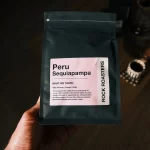
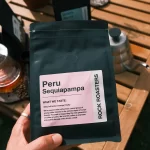
Peru Sequiapampa
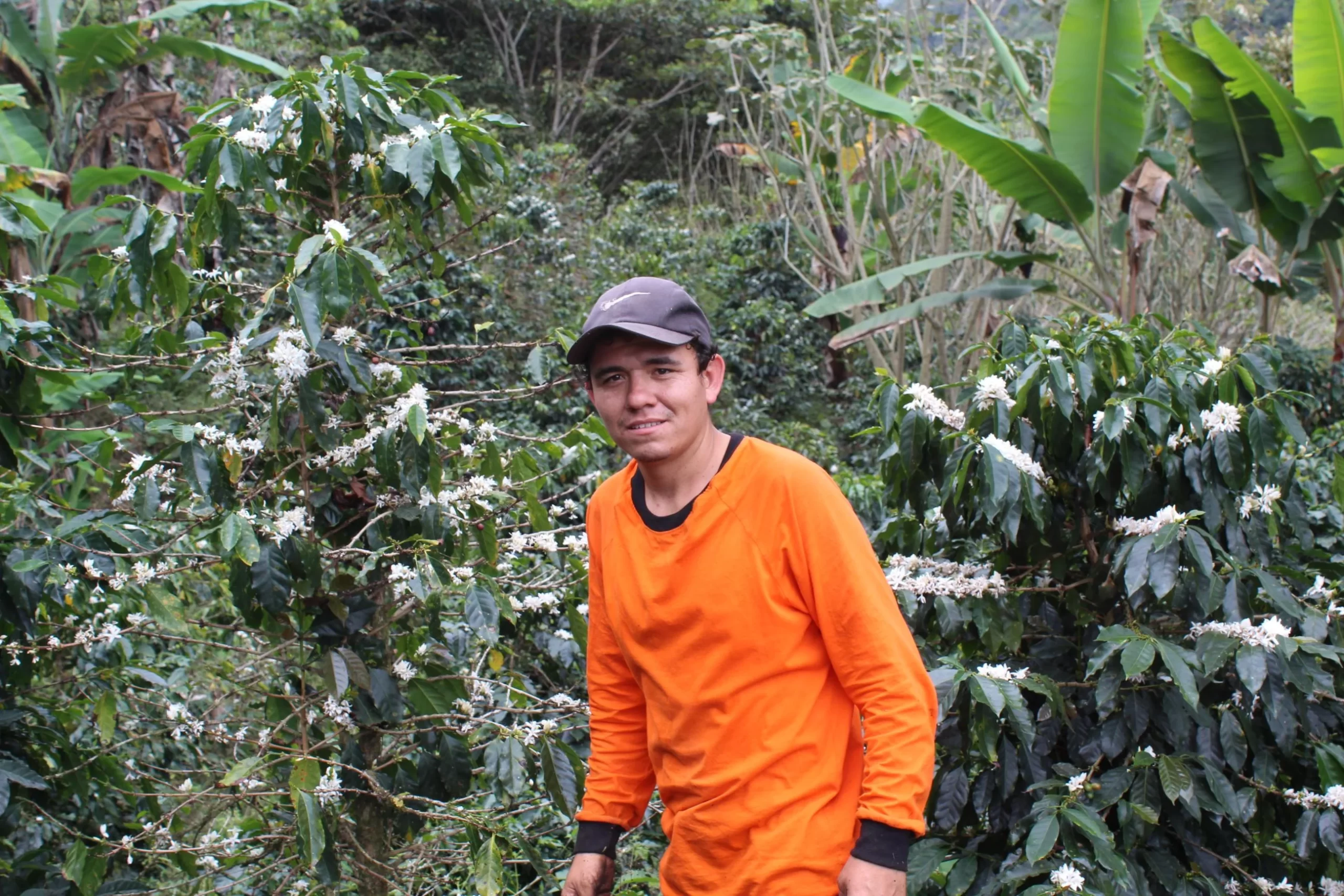
Silky and nutty with a bit of orange zest. Grown by a co-op of young farmers in the Peruvian Amazon, and good as an espresso, with milk or through a V60.
Grind — Wholebean
Size
Subscribe & Save
Save 10%
—
/ month
- Collection or local delivery
- 10% off the regular price, every time
- Pause, skip or cancel anytime
- Freshly roasted to your schedule
One-time Purchase
—
Price range: £8.95 through £35.00 — or subscribe to save 10%
Tasting notes
Citrus Zest
Toasted Walnut & Almond
Brown Sugar & Grains
ProcessWashed
RegionSequiapampa, Lonya Grande, Utcubamba Province, Peru
Best forCafetière / French Press · Filter / AeroPress
Speciality coffee
Secure checkout
Collection or local delivery
Roasted fresh to order
Roasted in Jersey, Channel Islands by Bill